
On First Favorites and Late Discoveries
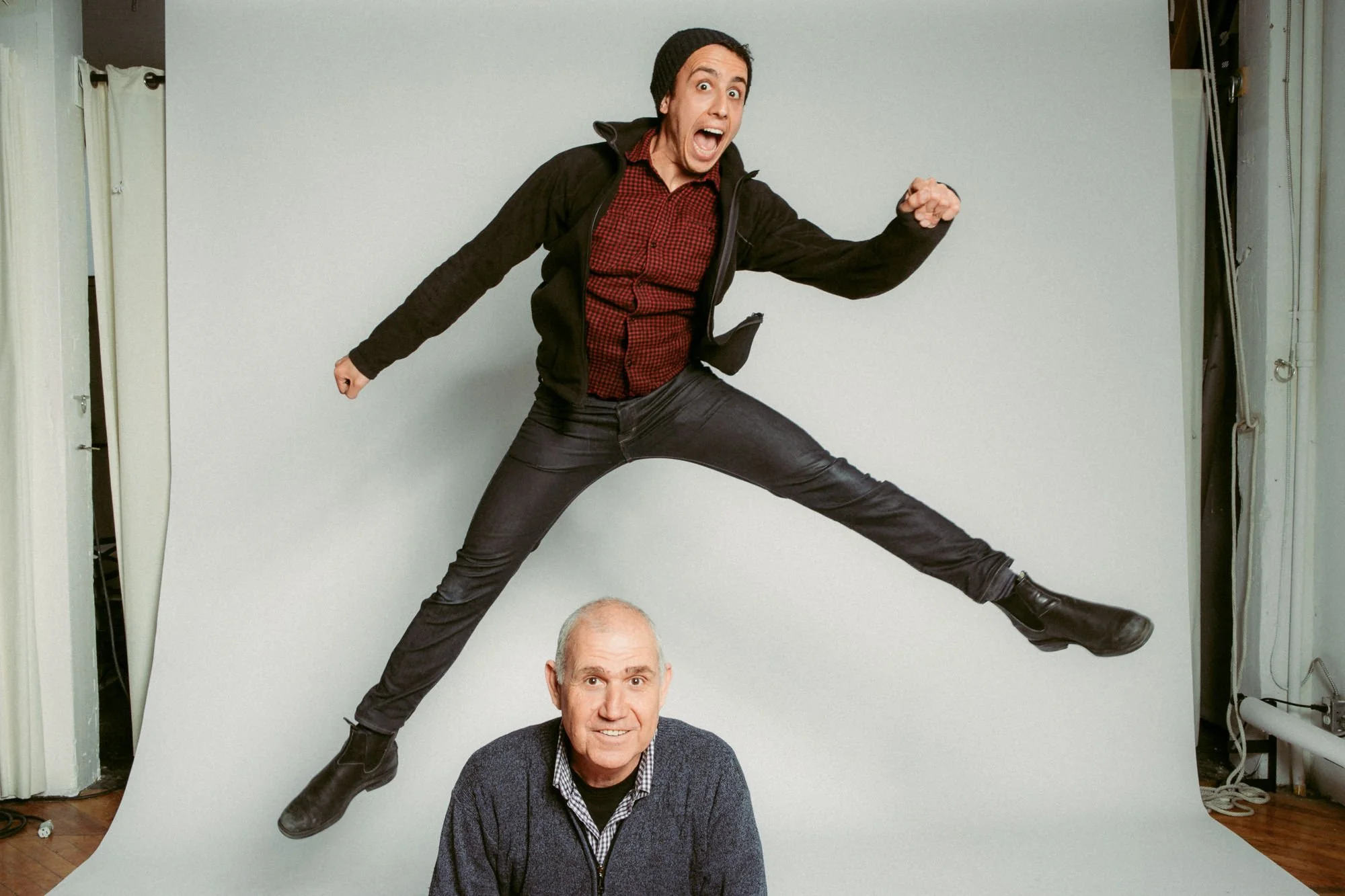
By the time a shoot wraps, I usually already have a favorite.
It happens quickly - sometimes before I’ve even sat down to edit. One frame rises to the surface. It carries the feeling of the day, the effort, the small victories and near-misses, the sense of having arrived somewhere after hours of looking. That image becomes the one I measure the rest against. The obvious choice. The photograph. Other times, it’s pure gut feeling or what I like to call an “emotional knee jerk reaction”.
But as 2025 comes to a close, I’ve been thinking about how unreliable that first certainty can be - and how much of my real growth as a photographer has come from returning to old work long after the moment has passed, with an eye that has quietly, steadily changed.
There are images I dismissed years ago that now feel unexpectedly complete. Images I was too close to, too impatient with, or simply not yet able to read. Not because the photographs changed, but because I did.
Photography has a strange relationship with time. We make decisions quickly, but we understand them slowly.
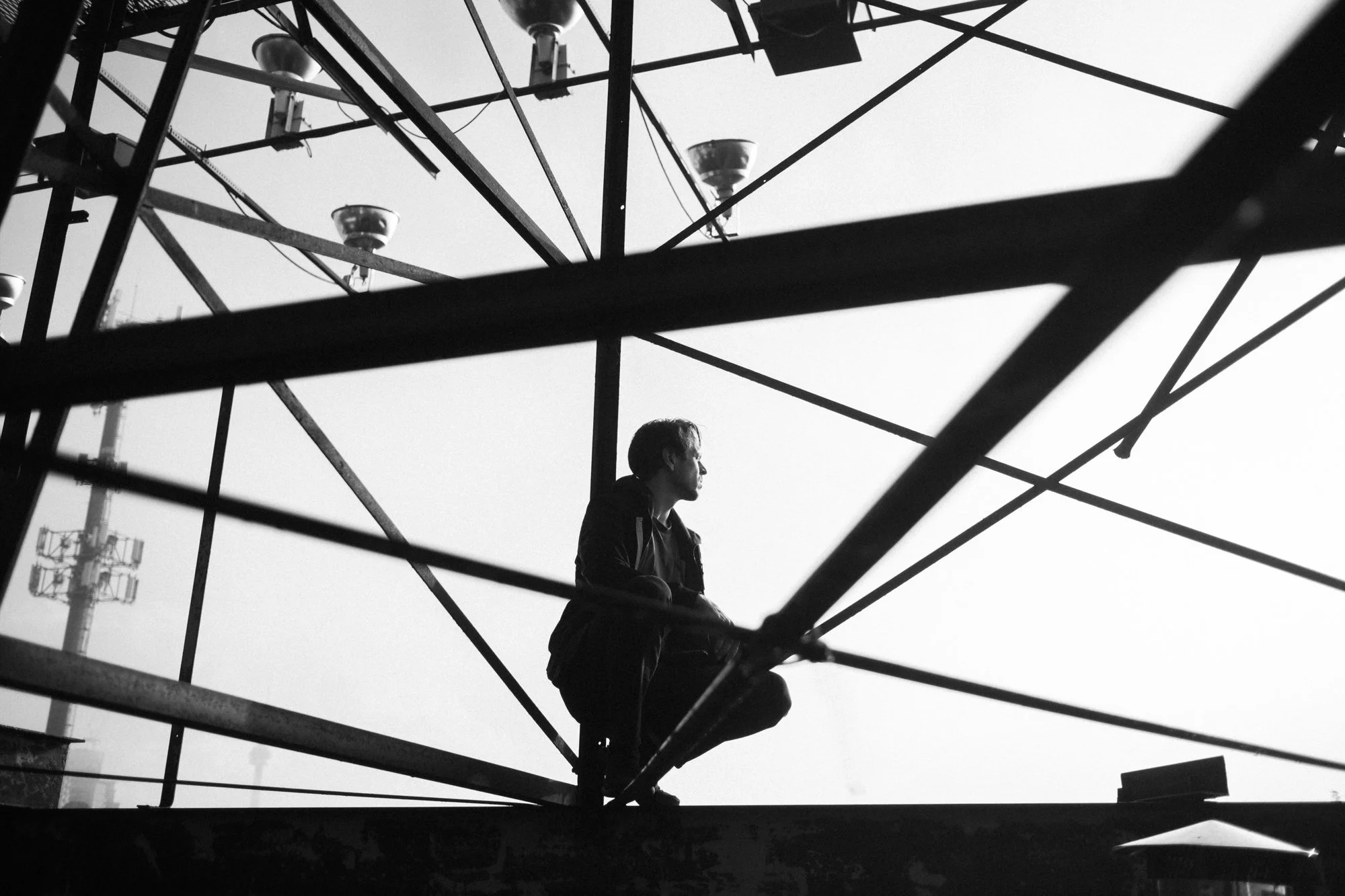
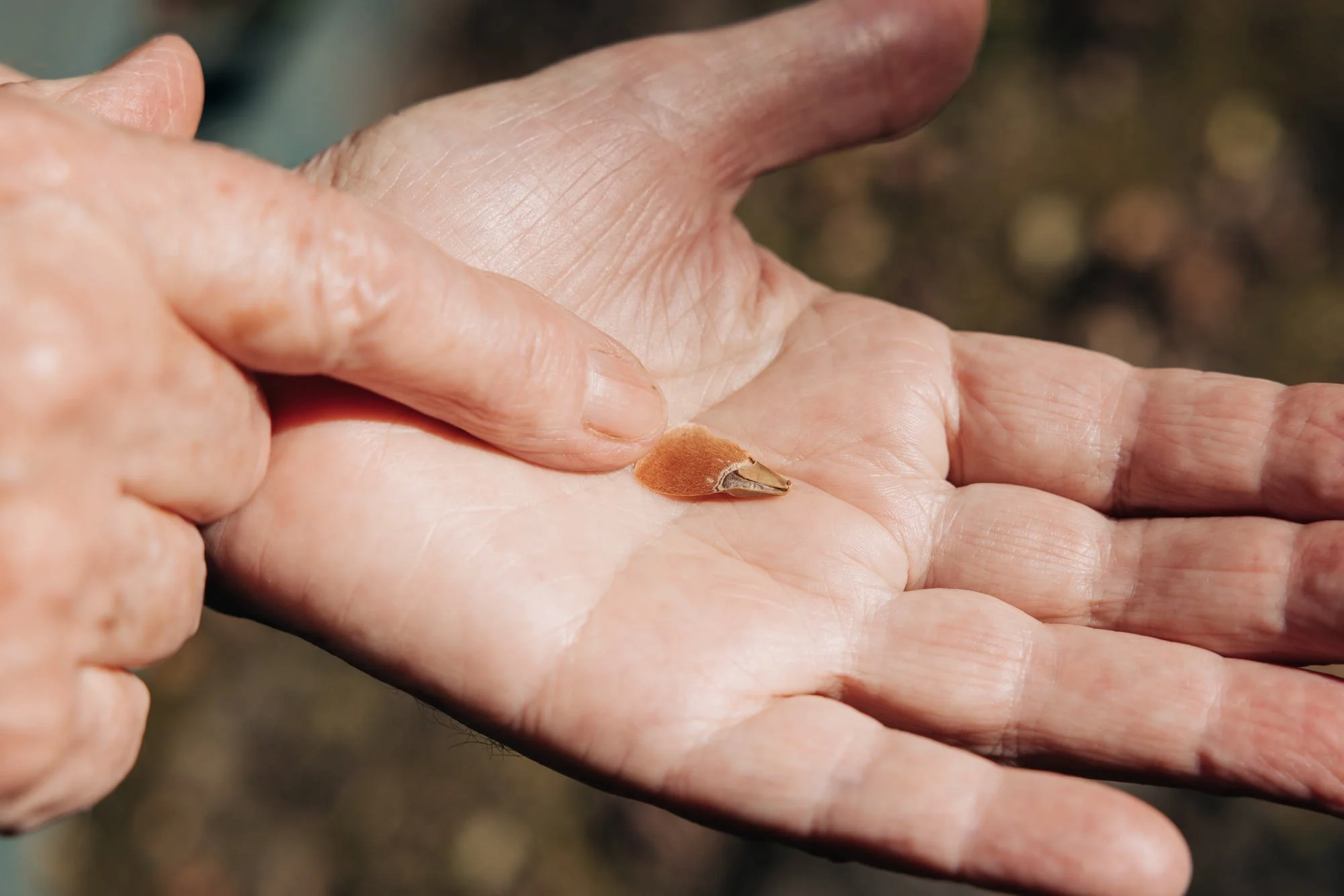
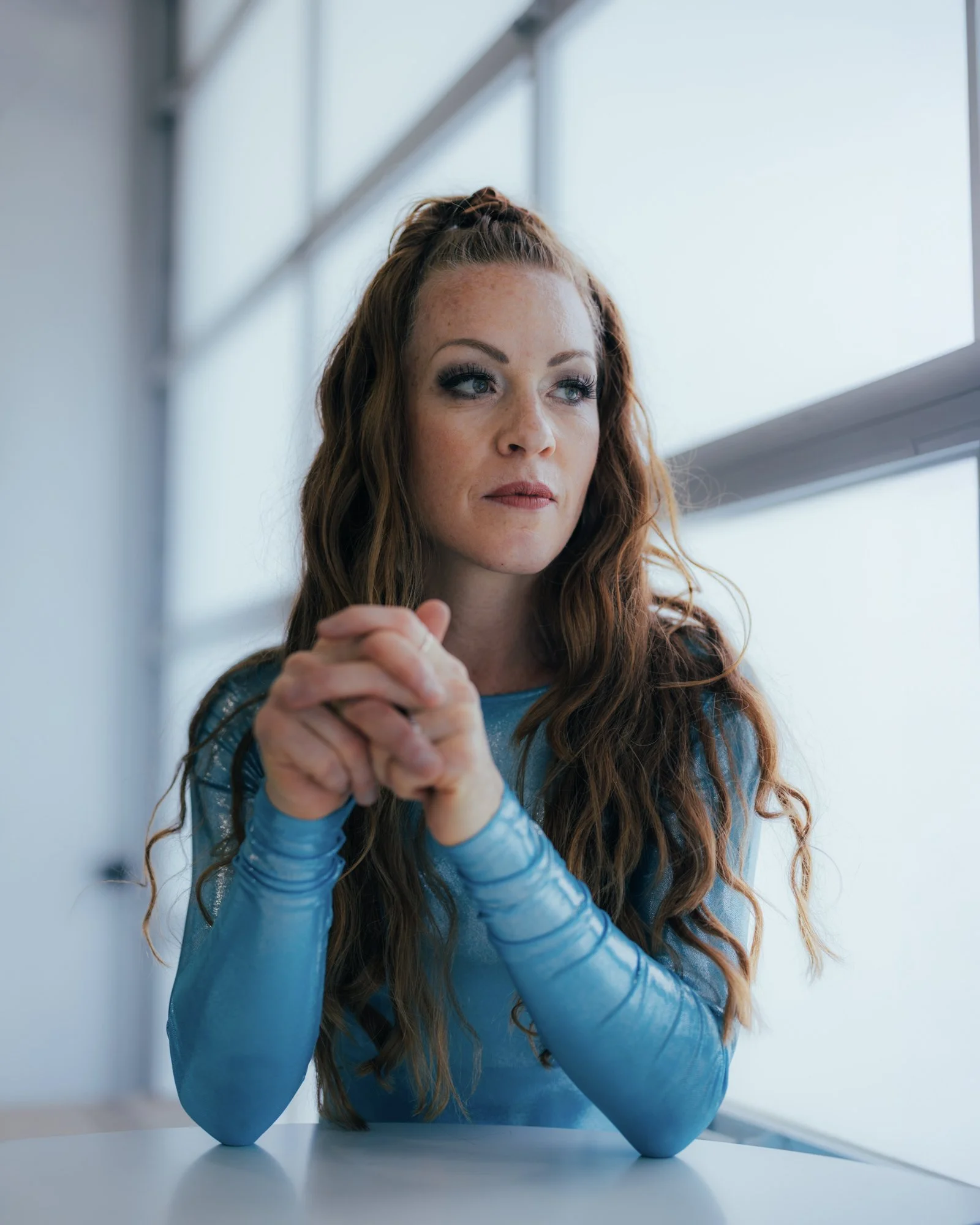
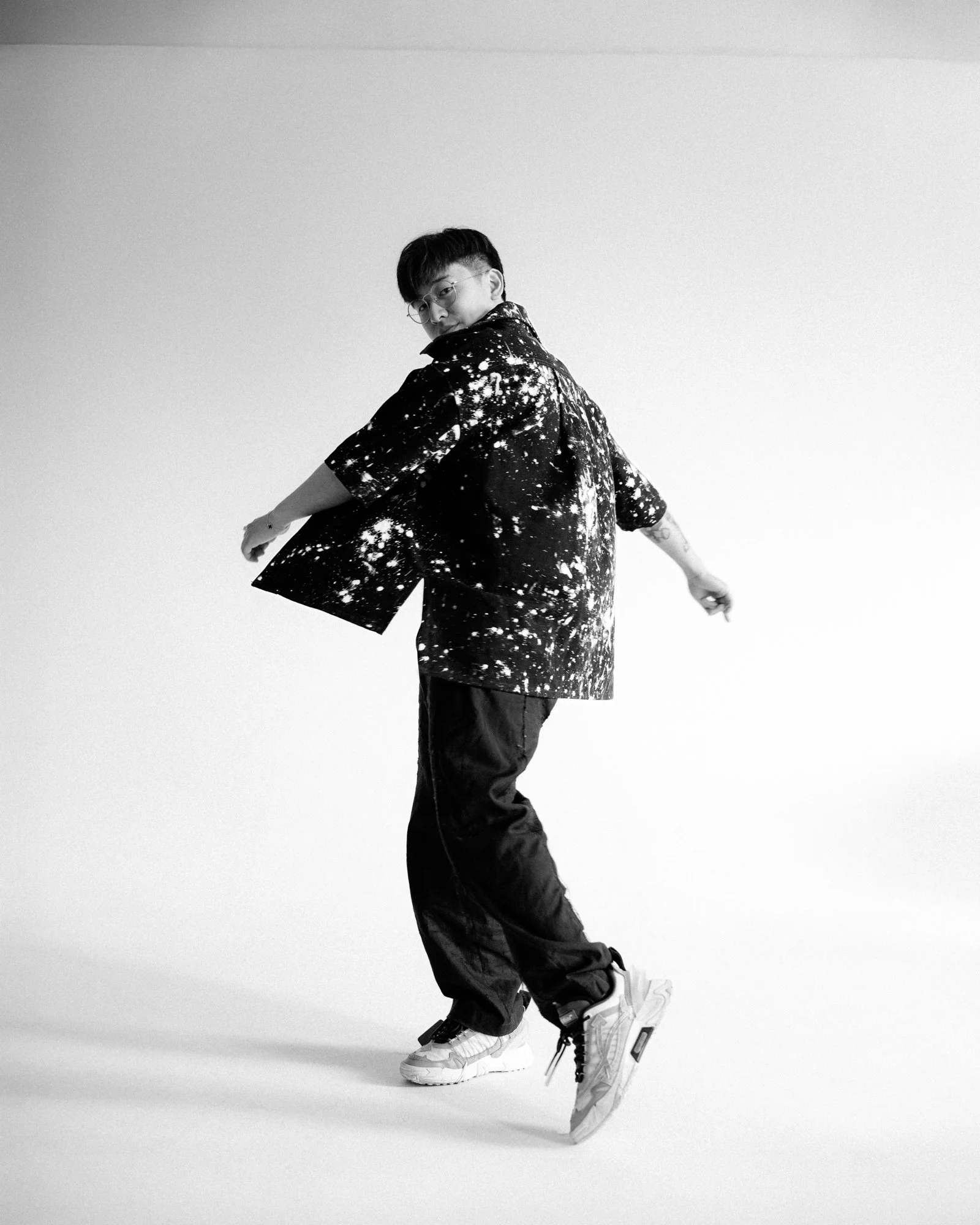
There’s a particular kind of energy that lives inside the edit immediately after a shoot. You’re still carrying the weight of the day: the problem-solving, the pressure, the conversations, the quiet moments when something finally clicked. The photographs aren’t just images yet - they’re evidence. Of effort. Of decisions. Of having made it through.
That’s usually when a favorite announces itself.
It isn’t always the strongest frame, but it’s the one that feels the most familiar. The one that contains the story of the day. The one that rewards you for the work you just did. And for a while, that’s enough.
What I’ve learned, is that this kind of certainty has very little to do with the photograph itself. It has much more to do with where you are when you’re looking at it.
Time creates a different kind of edit.
Every year or so, I find myself opening old folders - projects I thought I had fully understood, collections I believed I had already chosen from. And almost without fail, something new appears. An image I overlooked. A moment I didn’t trust. A quiet frame that suddenly feels complete in a way the obvious ones no longer do.
Nothing about the photograph has changed.
But my way of seeing has.
My tolerance for stillness has grown.
My patience with subtlety has sharpened.
I notice faces differently now.
Light differently.
What feels finished.
What feels honest.
The act of editing becomes less about choosing what impresses me in the moment, and more about recognizing what holds its weight over time.
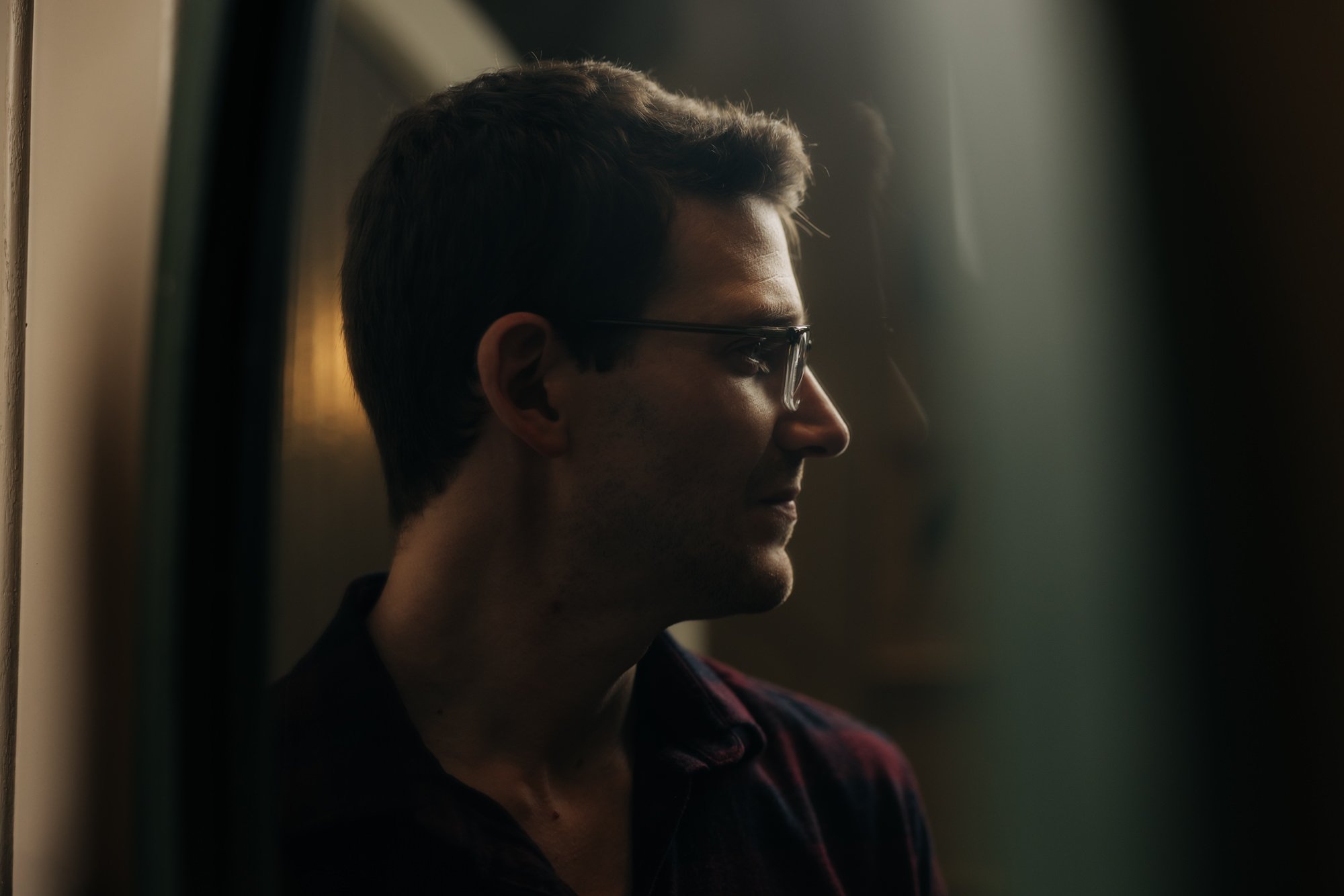
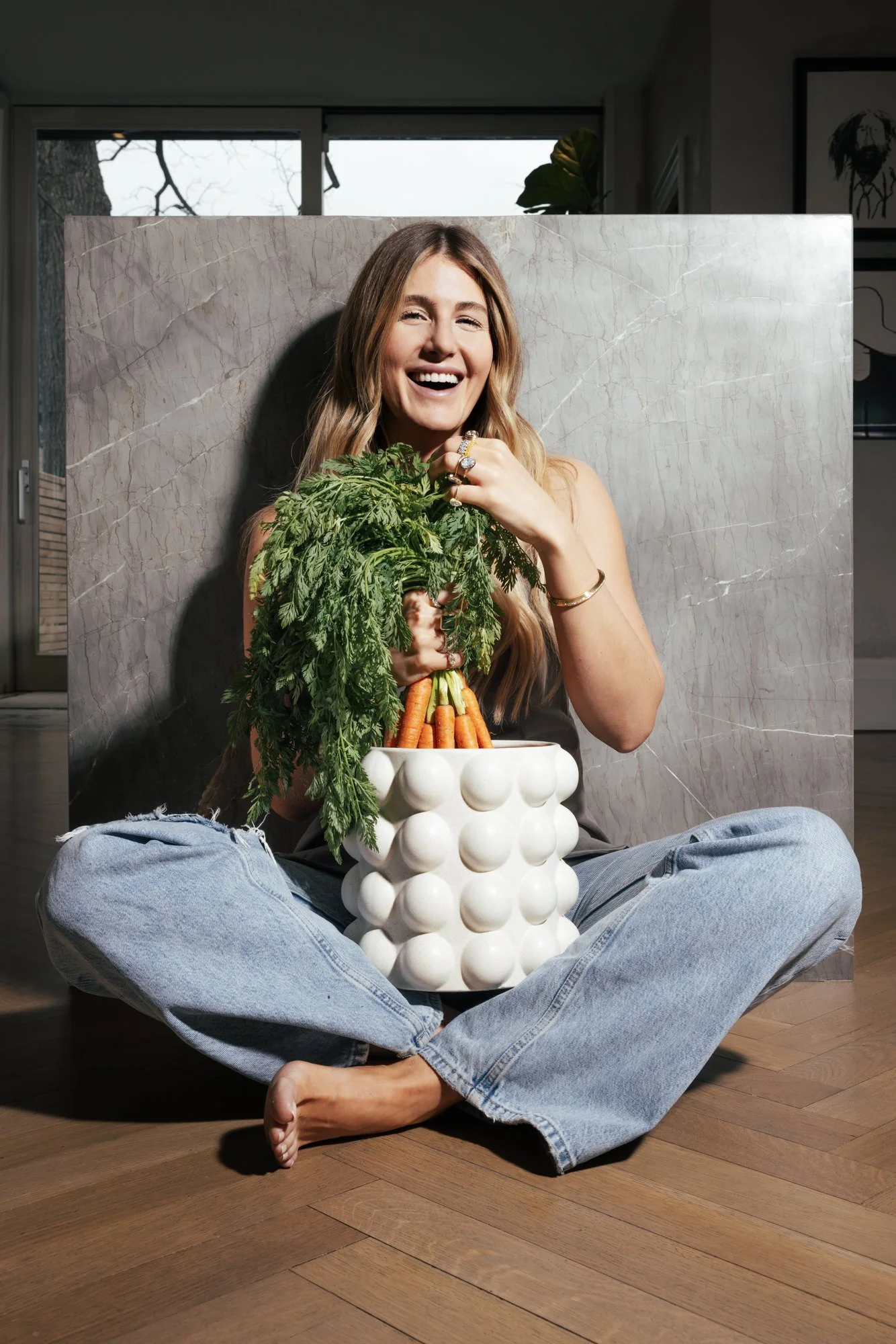
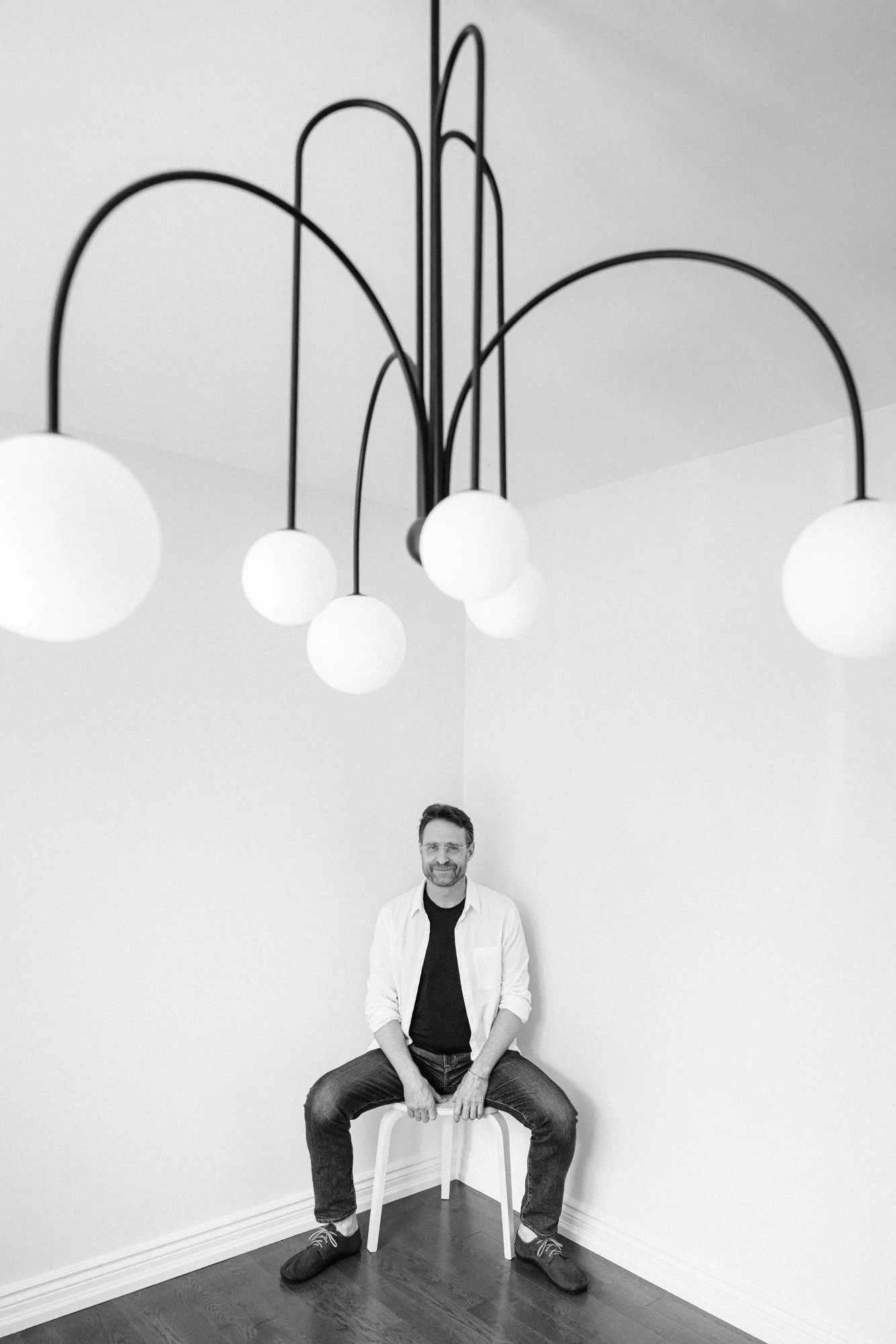
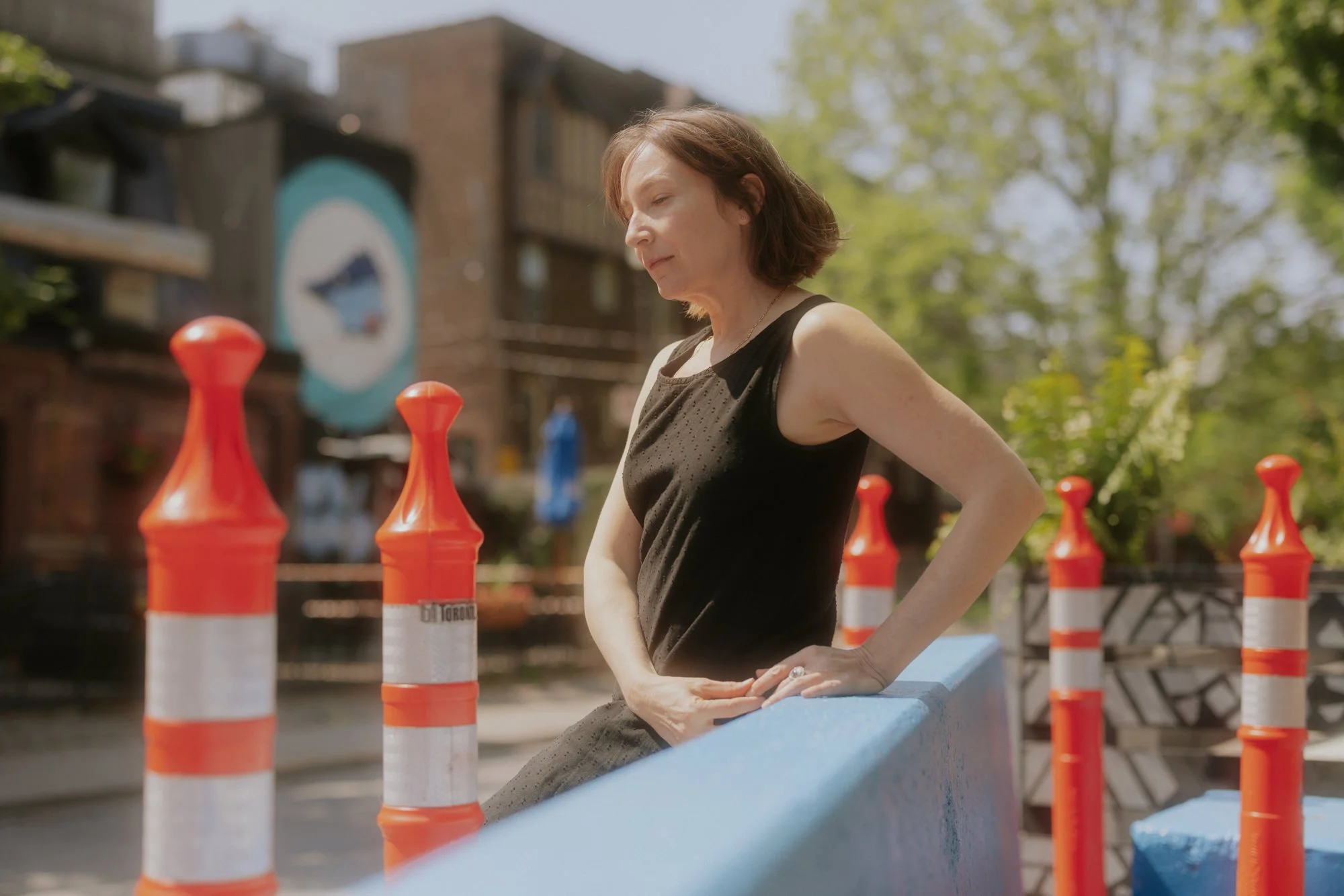
I don’t think the instinct to choose quickly will ever disappear. And I don’t think it should. There’s something honest about that first attachment - about the excitement of recognition, about trusting your gut in the heat of the moment, about allowing yourself to feel when a photograph lands.
But I’ve learned to hold that instinct more lightly.
The longer I do this, the more I value the second encounter with my work - the one that happens months or years later, when the noise of the day has faded and I can finally meet the image on its own terms. That’s when I start to understand what I was actually trying to make.
As 2025 comes to a close, I find myself thinking less about the photographs I chose quickly, and more about the ones that waited for me. The ones that only revealed themselves after my eye had settled, after my taste had sharpened, after my way of observing had grown a little more patient, a little more precise.
That slow education feels like the real work.
The pictures don’t age.
We do.
And sometimes, that’s what allows us to finally see them.